
Safely decommissioning Fukushima Daiichi and revitalizing Fukushima
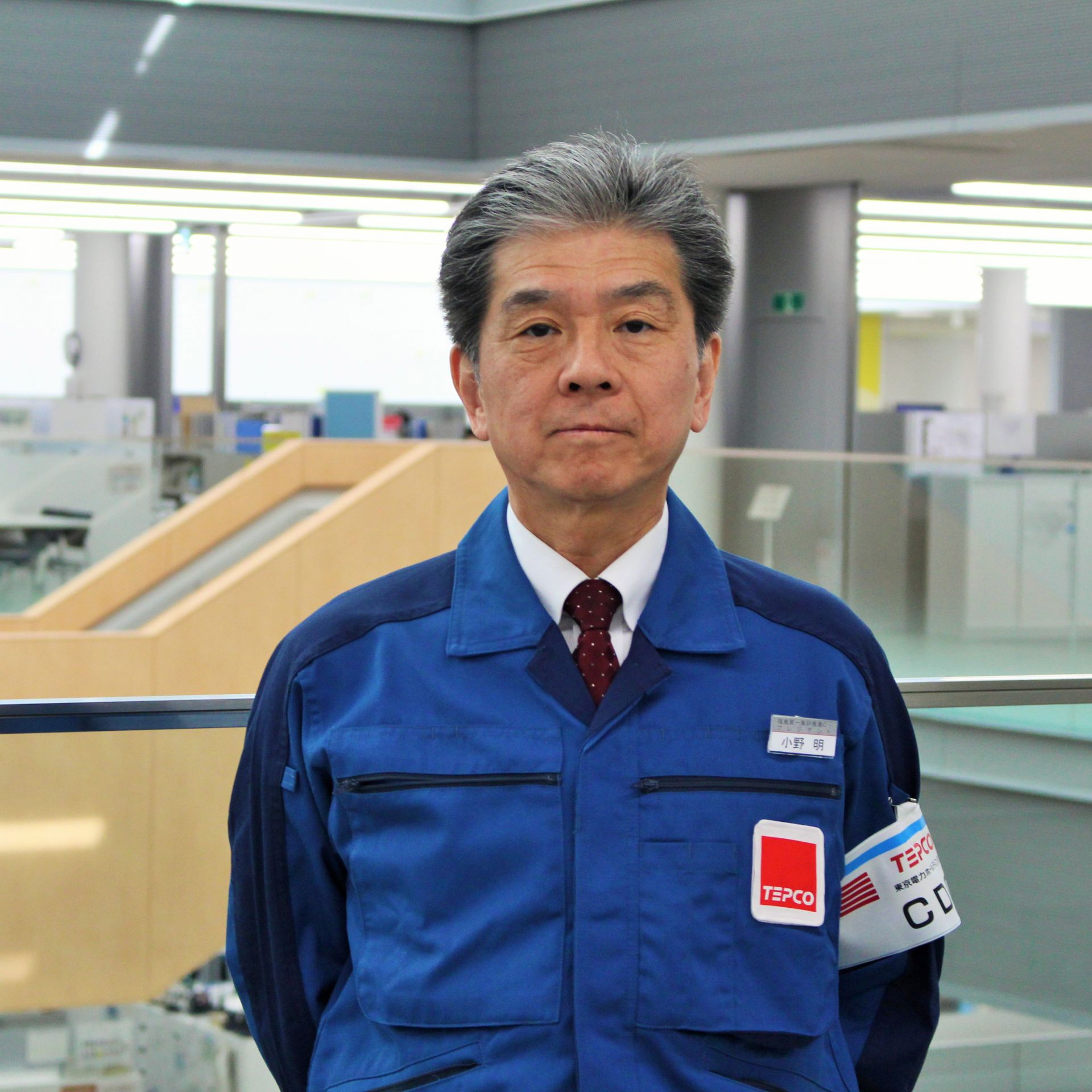
Akira Ono is chief decommissioning officer of Tokyo Electric Power Company Holdings and president of the Fukushima Daiichi Decontamination and Decommissioning Engineering Company.
The mission of Tokyo Electric Power Company Holdings (TEPCO), and my personal mission, is to safely decommission the damaged Fukushima Daiichi nuclear power station and thereby contribute to the revitalization of Fukushima.
In performing this important work, we are guided by the principle of balancing the recovery of Fukushima with the decommissioning of the Fukushima Daiichi nuclear power station, doing everything possible to mitigate the risks as we progress. Since the accident on March 11, 2011, we have stabilized the site and alleviated many of its crisis aspects.
Most significantly, we have been making efforts to improve the working environment by reducing the contamination on the site due to the accident. About 4,000 workers are currently engaged at Fukushima Daiichi. The average monthly radiation dose for those workers has been reduced from 21.55 mSv (2,155 mrem) immediately following the accident to 0.3 mSv (30 mrem).

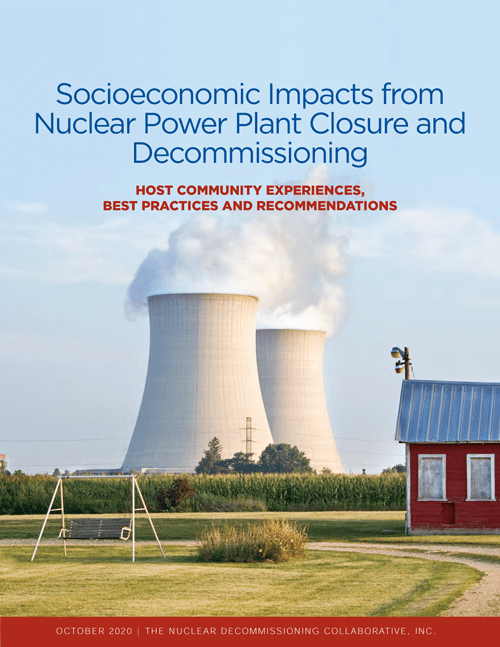 Communities that host nuclear power plants face “swift and severe” economic and social impacts following a plant’s closure, according to a report by the Nuclear Decommissioning Collaborative that was released on October 12. The free, 61-page report,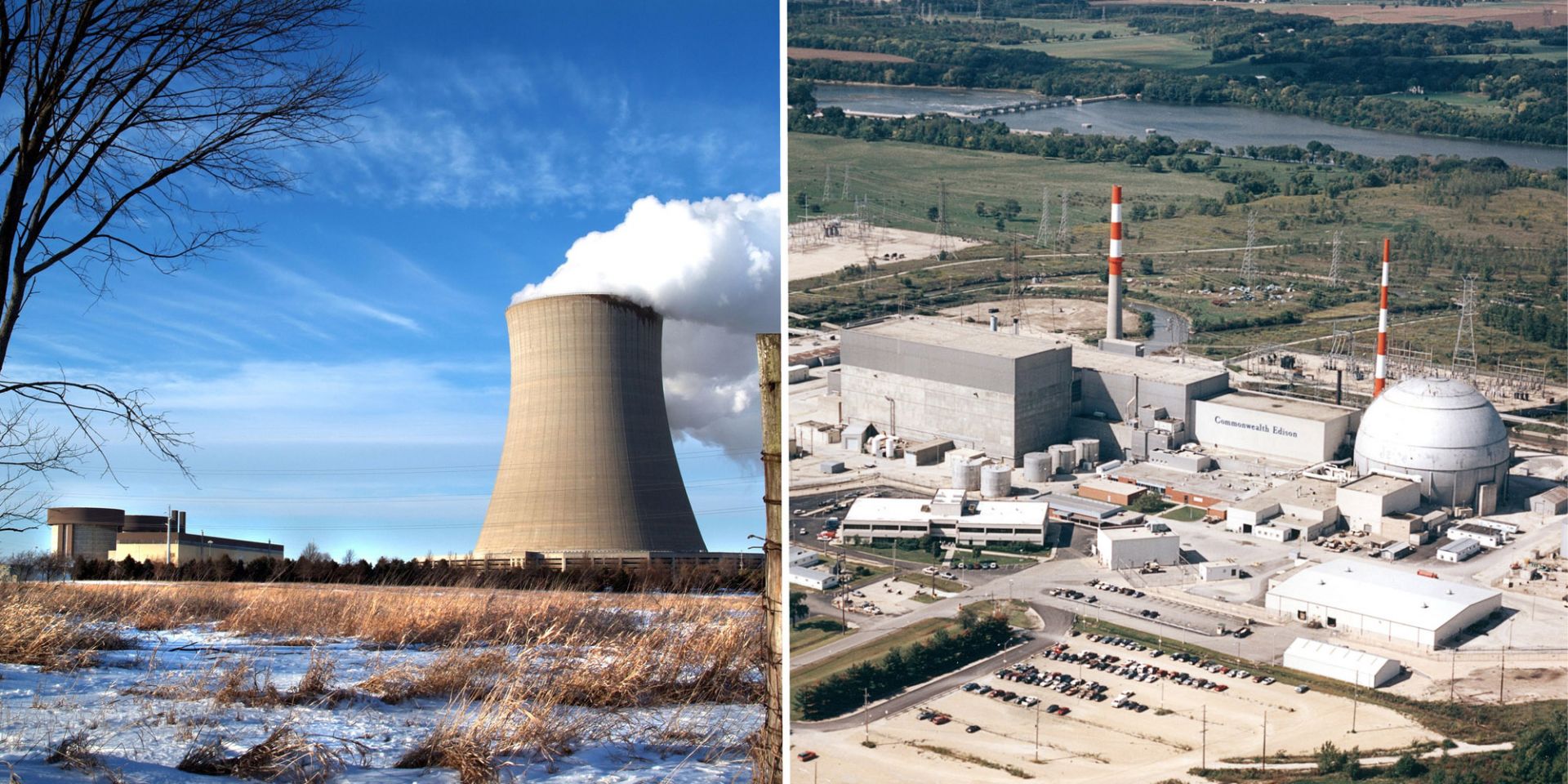
 ANS member Dr. Christopher Morrison was a recent guest on
  Shortly after 11 a.m. on Tuesday, May 7, 2013, the operators at Dominion Resources' Kewaunee nuclear power plant opened its output breaker, disconnecting the turbine generator from the grid for the last time after just under 40 years of operation. Shutdown of the reactor followed, and the plant entered what for some is an uncertain (even if pre-ordained) future-a long-term storage period, followed eventually after many years by the complete dismantling and removal of the plant.